Stripe
convenience
what we knew
what our users knew
Stripe

role
UX Lead
Company
WishTender
Industry
Finance, Technology



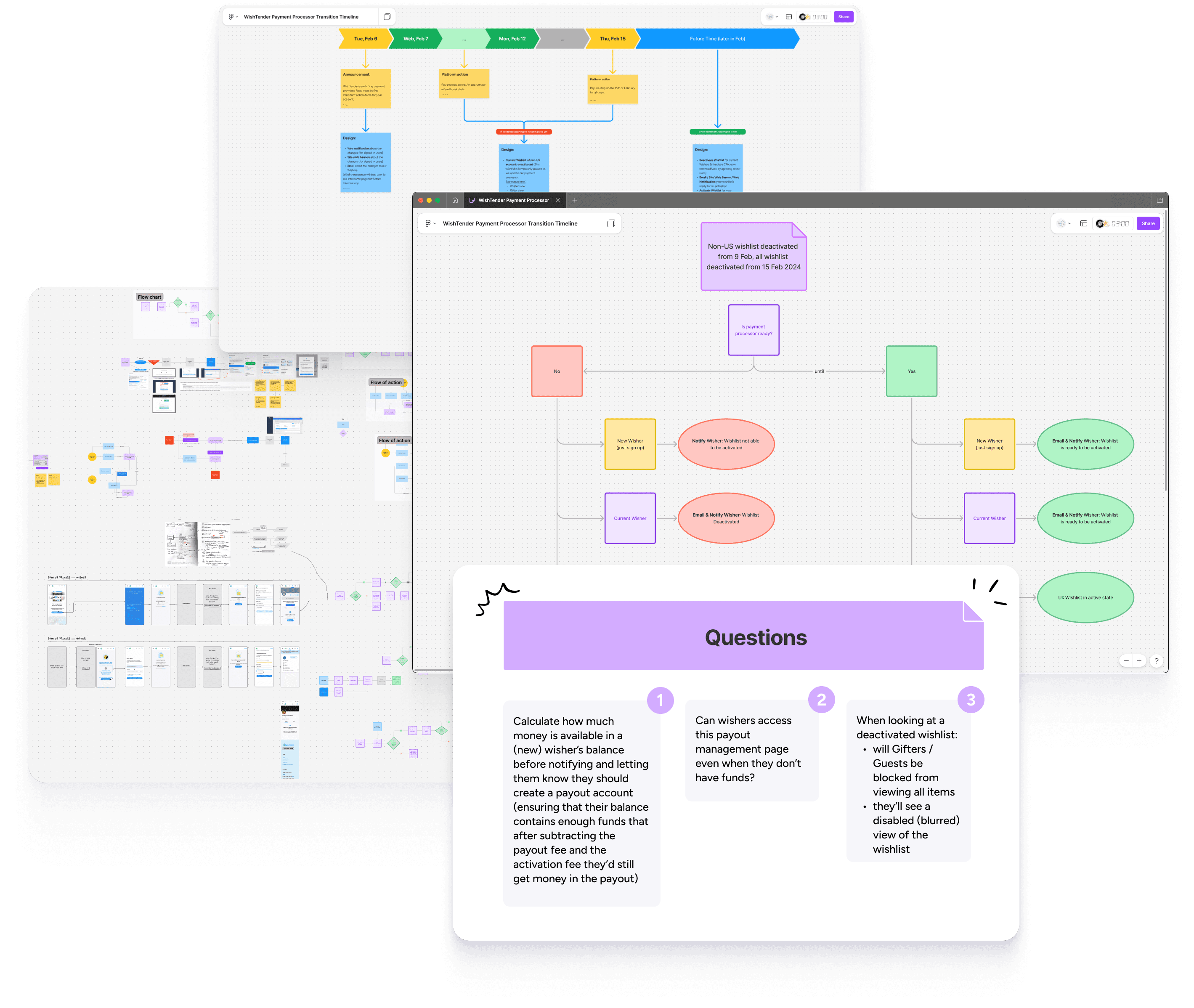
The Problem
The Recovery
In the dark,
rays of light shone through.
The Solution
Renewed payment flow
Re-activate or set up wishlist
With the new processor, users need to agree to new terms and conditions.

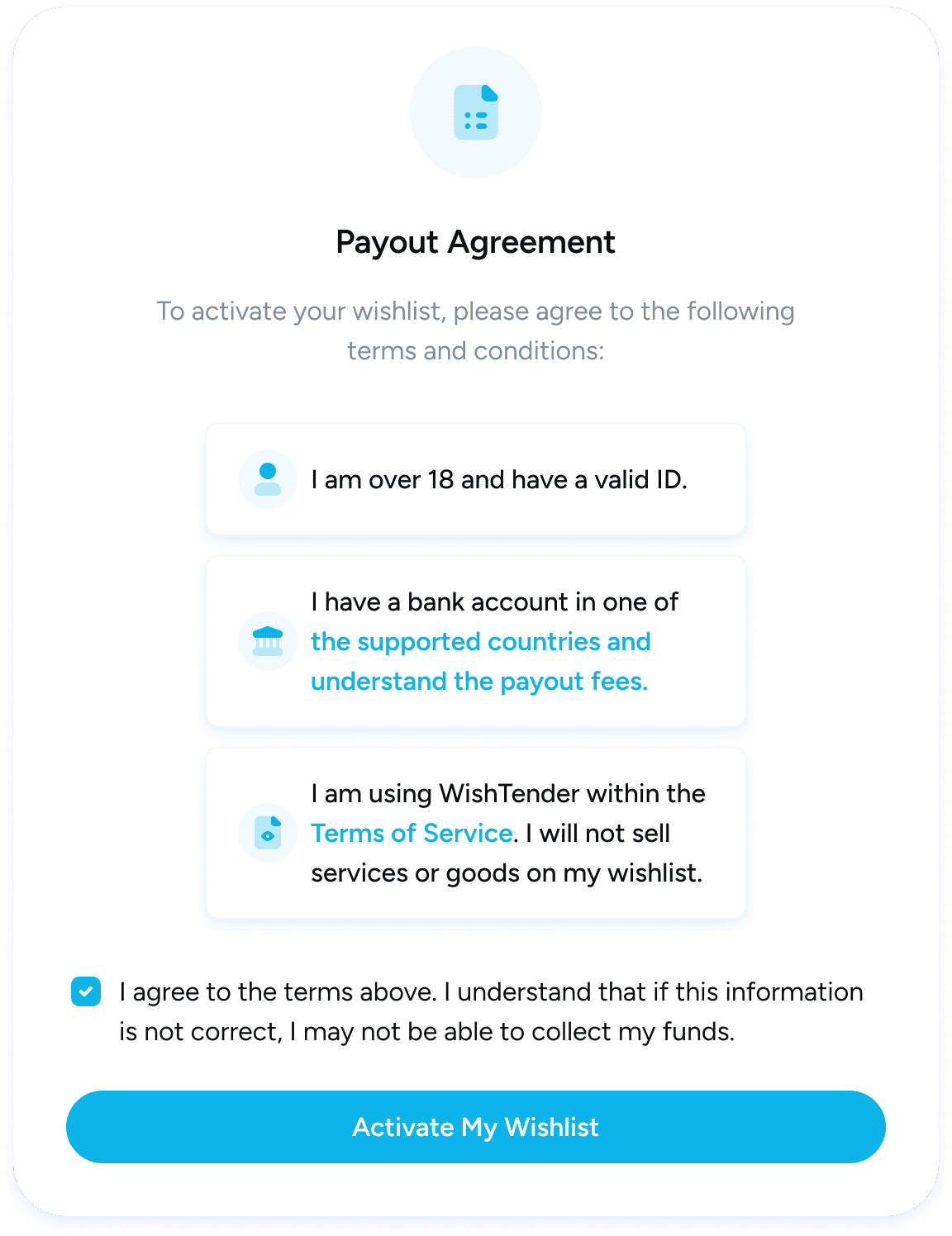
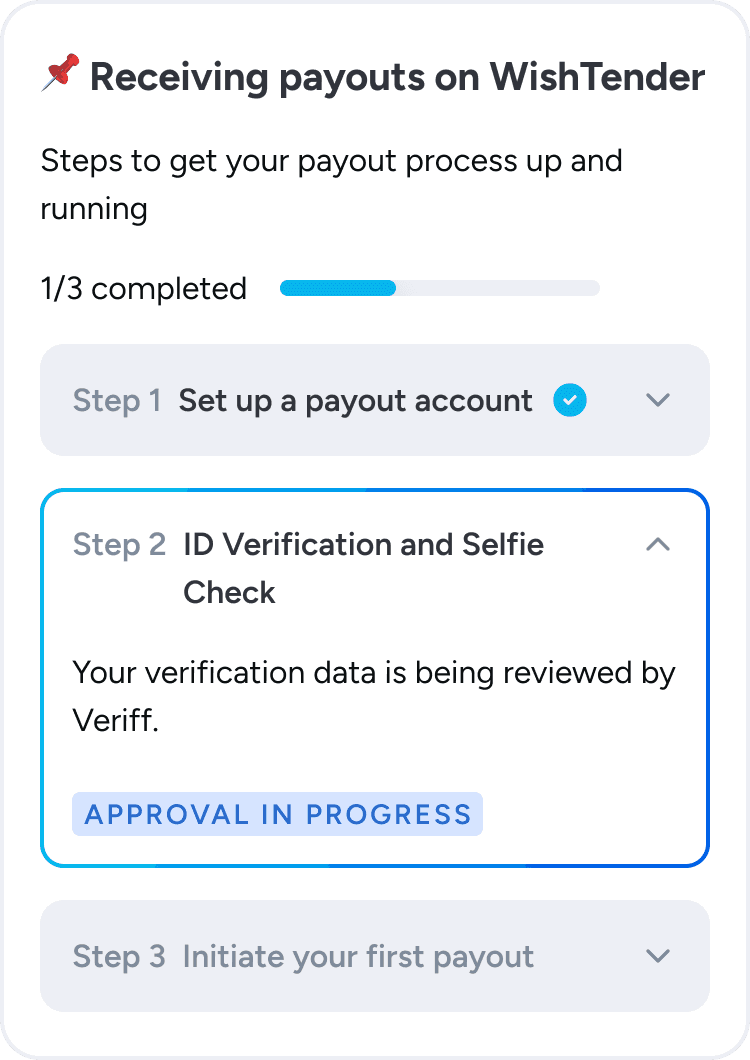
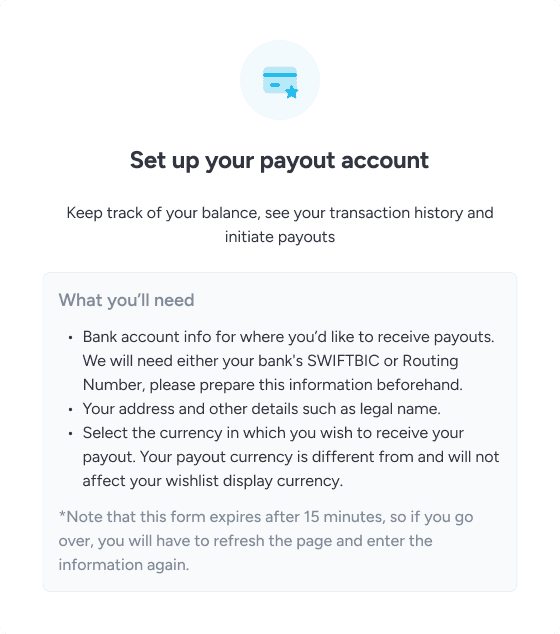
Set up payout account and complete KYC
A major change is the addition of KYC processes. This is to ensure that users are 18+, a verification they've been asking for.
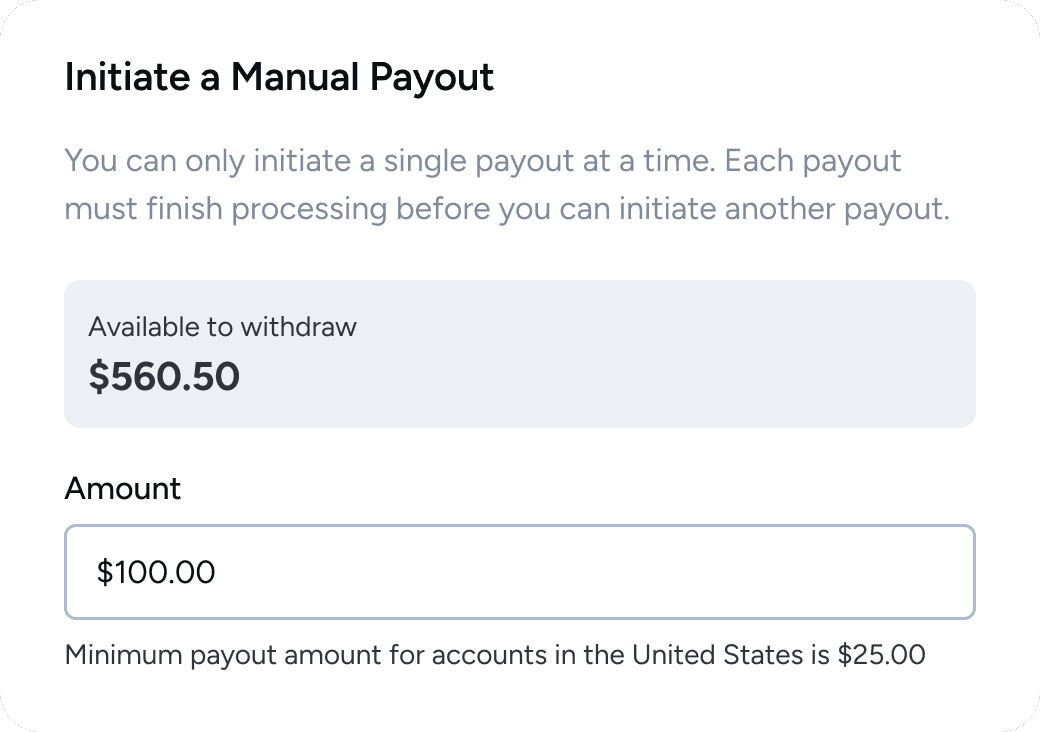
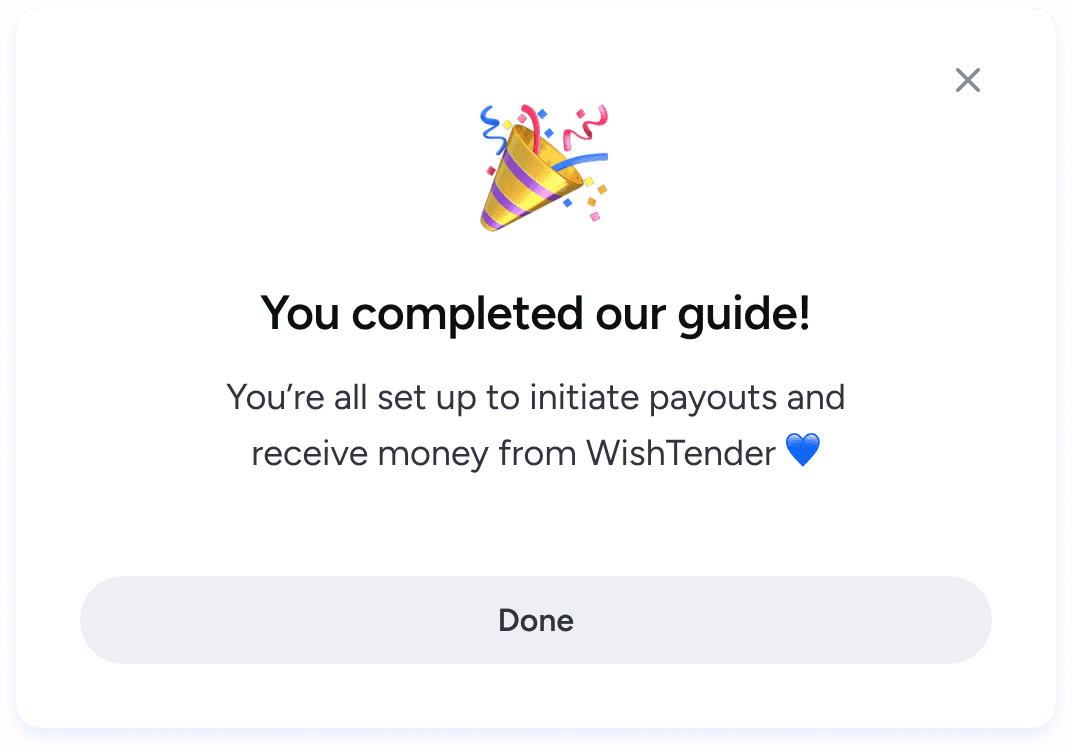
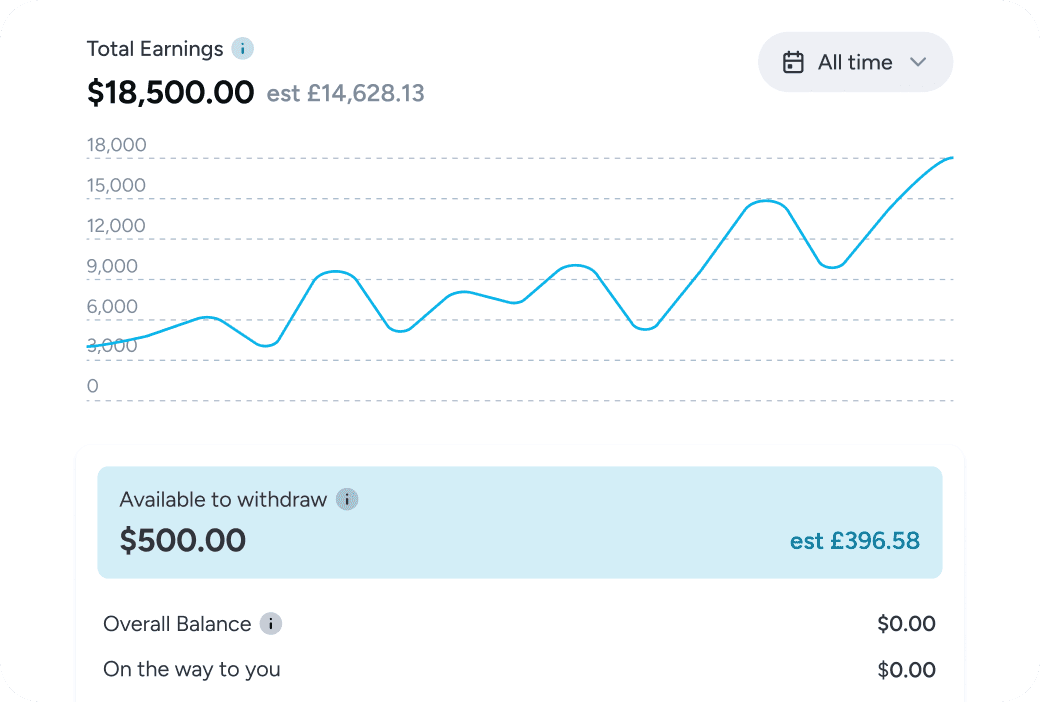
Initiate first payout
Payouts are now controlled by users, no longer on an automatic schedule like the previous processor.
💡
A promptly delivered solution
Users were delighted that the team worked so hard to deliver an alternative solution so quickly. Many were overjoyed that we were able to continue serving as their primary platform, their loyalty and graciousness rewarded.



The flow wasn't without problems.
Because of the requirements of the new payment partner, we had to bombard users with walls of text. A lot of people glazed over this, as humans tend to do when presented with overwhelming info.
This led to many error reports and additional customer support.
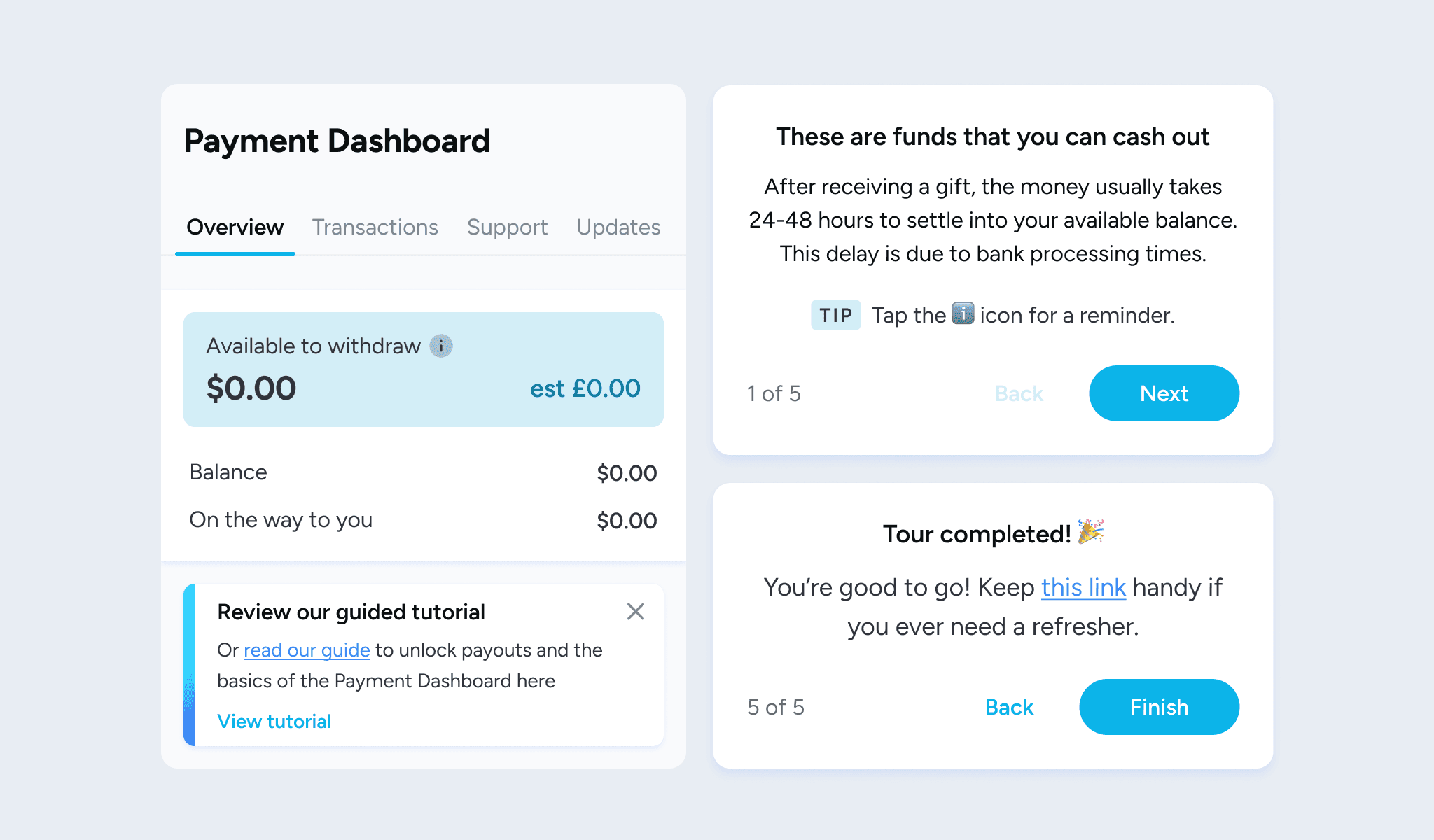
Introducing a guided tutorial
As our beta testing opened up and the amount of users increased exponentially, a solution was needed so the product team and customer support can spend less time dealing with queries about the new flow.
A non-intrusive tutorial was added (among an array of support articles) to help.
Project
Takeaways
Emotions and stress affect competency
We all like to think of ourselves as highly competent individuals who can ace any processes once given proper instructions, but the reality is that emotions, stress and the high-pressure cooker of tinkering with financial information can cause us to lose sight and reason.
No "best practices" to get people to read large bodies of text
People skim. Especially if they're trying to squeeze your process in between waiting at a dentist's office or in line at a checkout. There isn't a way to properly prevent this without making the UX intrusive. The best we can do is have patience for when errors occur, and guide people back onto the right path.
The Retrospective
Wistful memories to
look back on.
WishTender as a service eventually came to a stop a few months later, due to malicious attacks from third parties. Although the product did not persevere in the end, it's a pleasant thought to think of the times the user base rode out the storm with us.
People were asking for updates by the hour, so we thrust upon users a lot of text and a less than ideal experience due to the urgency. There were also a lot of negotiations and setbacks to be accepted since the new processor's UX isn't as polished as Stripe's.